
Essential Elements of a Premium Home Spa: Design, Materials & Technology
 TL;DR
TL;DR
- Premium home spas are structured around intentional zoning and integrated mechanical systems for optimal flow
- High-quality materials like natural stone and wood enhance sensory experience and air quality
- Multisensory technology and carefully selected products deepen relaxation and support physiological recovery
Most people picture candles, a bathtub, and maybe a face mask when they think about a home spa. That image sells the concept short. A truly premium home spa is a carefully engineered wellness environment where layout, materials, technology, and products work together to support deep recovery and lasting relaxation. It functions as infrastructure for daily wellness, not a one-time treat.
This article walks through every layer of a high-end home spa — from structural zoning and material selection to multisensory technology and the recovery products that make the difference between a nice bathroom and a genuine wellness retreat.
Table of Contents
Key Takeaways
| Point | Details |
|---|---|
| Zoning shapes luxury | Functional, flow-oriented layouts are the secret to a truly premium spa experience |
| Materials matter | Sustainable, sensory-rich finishes elevate comfort and wellness far beyond basic upgrades |
| Multisensory tech counts | Lighting, scent, and sound transform a space into a restorative retreat when designed with intention |
| Products boost recovery | Thoughtfully chosen wellness tools like saunas, cold plunges, and compression enhance daily benefits |
| System thinking wins | Integrated planning for ventilation, storage, and power separates luxury builds from common DIY mistakes |
Core design and structural zones
To understand what physically separates premium home spas from DIY projects, start with how they are designed. The difference is not just visual — it is functional.
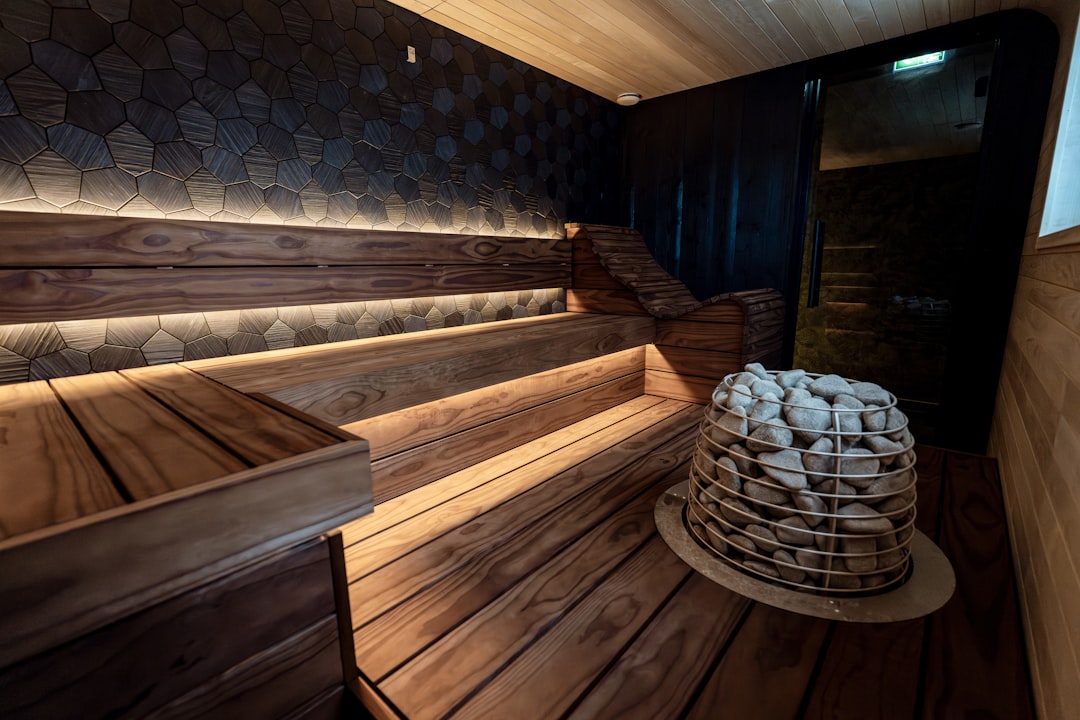
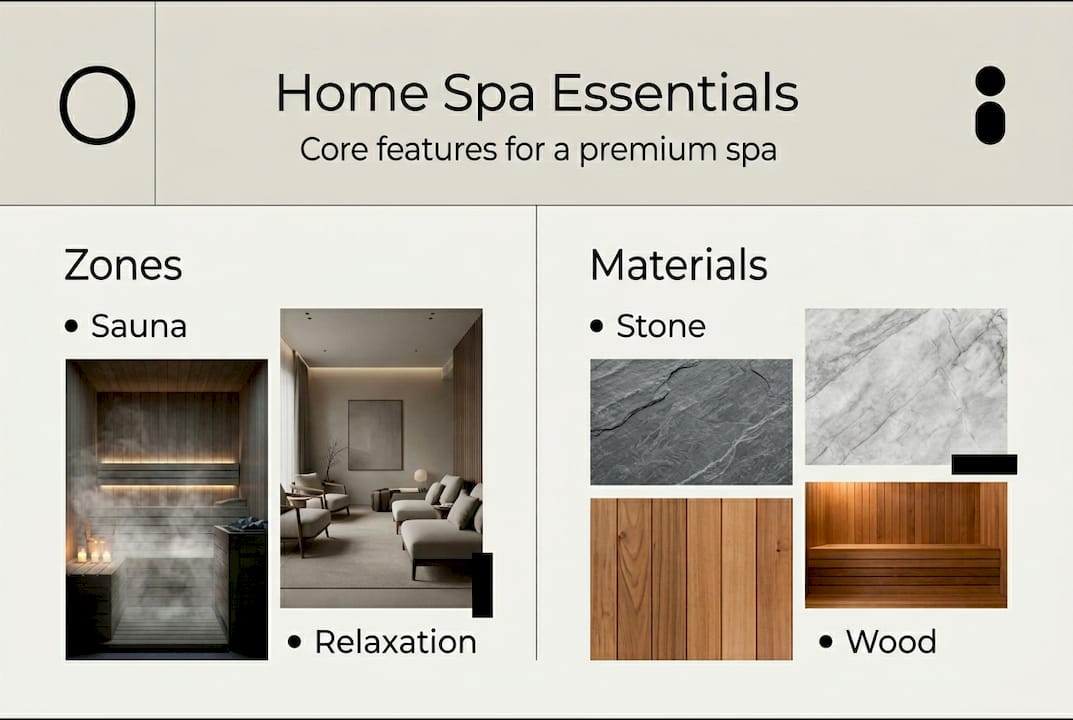
A premium spa environment is built around strategic zoning, which means designating specific areas for specific activities: a treatment zone, a relaxation lounge, a changing and storage area, and mechanical support space. Each zone serves a distinct purpose, and the way they connect determines the quality of the experience. When you move from a cold plunge into a heated relaxation area without awkward transitions, that seamless flow is the result of intentional planning, not luck.
| Feature | Basic Home Spa | Premium Home Spa |
|---|---|---|
| Treatment area | Bathroom or bedroom corner | Dedicated room with proper drainage |
| Relaxation zone | Couch or bathtub | Heated lounge with ergonomic seating |
| Storage | Shelves or cabinets | Built-in cabinetry, product stations |
| Climate control | Standard HVAC | Zone-specific temperature and humidity control |
| Lighting | Overhead fixture | Layered, dimmable, circadian-aware lighting |
| Flow | Incidental | Intentionally designed guest journey |
The element most people overlook is HVAC and mechanical planning. Spa spaces require precise humidity control, ventilation for steam and heat, and sometimes separate electrical circuits for infrared saunas or hydrotherapy equipment. Without this infrastructure, even the most beautiful materials and products will underperform.
Key zones to plan for in a premium home spa:
- Treatment area: Flat surface, drainage, easy access to water and products
- Relaxation lounge: Warm, quiet, softly lit, with seating that supports the body fully
- Changing and storage: Clean separation between street clothes and spa space
- Mechanical zone: HVAC, plumbing, and electrical panels kept out of the experience area
Exploring wellness-focused upgrades early in the planning process helps you avoid costly retrofits later. If you are also considering long-term health returns, the sauna longevity benefits of a dedicated heat therapy zone are well worth factoring into your layout from day one.
Premium materials and mindful finishes
Once the physical structure is in place, materials and finishes determine sensation and air quality. This is where many home spa builds either elevate or undercut the experience.
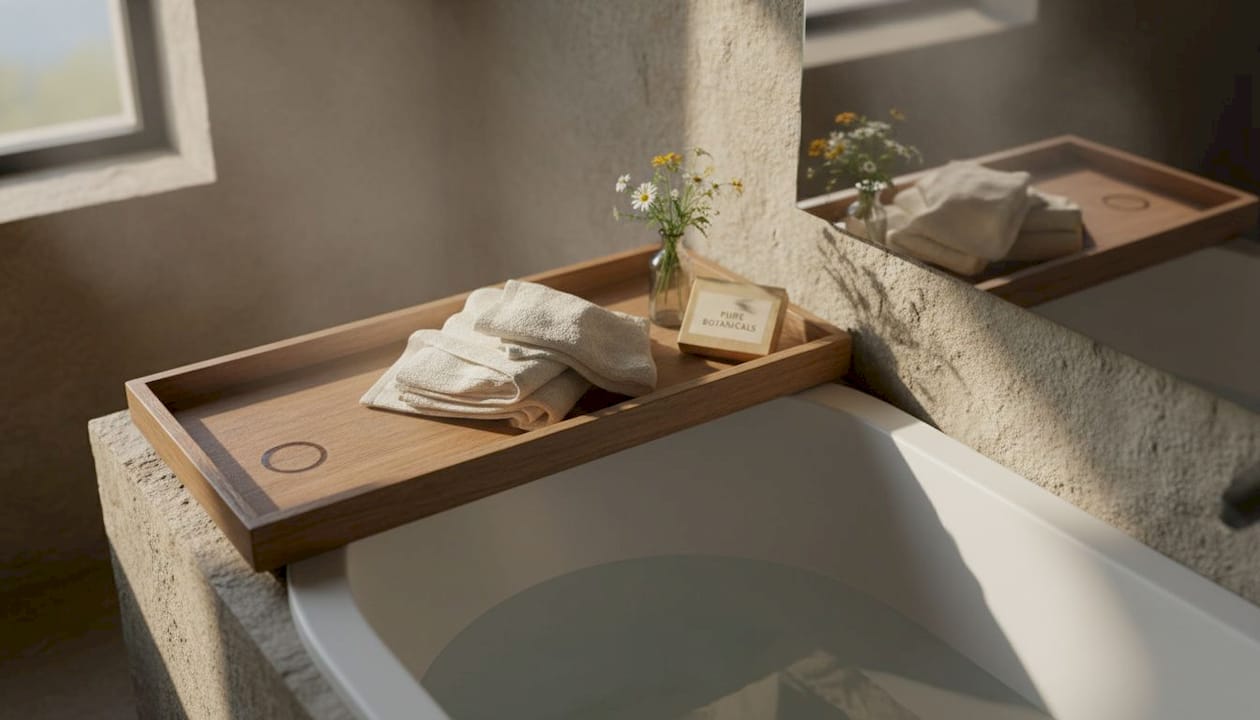
Natural stone and wood — including marble, travertine, teak, and cedar — define the sensory signature of high-end spas. These materials are not just beautiful. They regulate temperature, resist moisture, and age gracefully. Sustainable finishes like low-VOC paints and LED lighting protect indoor air quality, which matters significantly in enclosed, warm environments where you are breathing deeply.
| Material | Sensory Impact | Practical Benefit | Consideration |
|---|---|---|---|
| Marble | Cool, smooth, luxurious | Durable, moisture-resistant | Higher cost, needs sealing |
| Travertine | Earthy, warm underfoot | Natural slip resistance | Porous, requires maintenance |
| Teak wood | Warm, grounding, aromatic | Water-resistant, long-lasting | Needs periodic oiling |
| Cedar | Aromatic, calming | Natural antimicrobial properties | Best used in dry heat areas |
| Low-VOC paint | Neutral, clean air | Reduces off-gassing in warm rooms | Slightly higher upfront cost |
Beyond hard surfaces, textiles play a major role. The weight and softness of towels, robes, and floor mats signal quality immediately.
Materials that support wellbeing in premium spa builds:
- Natural stone flooring with radiant heat underneath for thermal comfort
- Cedar or teak paneling in sauna and steam areas for moisture management
- Low-VOC wall finishes to maintain clean air in enclosed spaces
- Organic cotton or bamboo linens for skin contact surfaces
- LED lighting systems that reduce heat output and allow color temperature control
Multisensory technology and spa essentials
Material choices lay the foundation, but it is the sensory enhancements that create the emotional impact of a luxury spa. Technology bridges the gap between a well-designed room and a genuinely immersive experience.
The five sensory dimensions that premium spas engineer deliberately are lighting, sound, scent, textiles, and temperature. Each one influences your nervous system in measurable ways. Together, they create a state that supports recovery at both the physical and psychological level.
Dimmable circadian lighting, aromatherapy diffusers, ambient sound systems, and plush textiles are the core tools. Here is how they function in a premium setup:
- 1 Circadian lighting: Adjusts color temperature throughout the day, supporting melatonin production in the evening and alertness in the morning. Warm amber tones in the evening signal the body to wind down.
- 2 Aromatherapy diffusion: Essential oils like lavender reduce cortisol levels, while eucalyptus opens airways during steam sessions. Timed diffusers maintain consistent scent without overwhelming the space.
- 3 Acoustic design: White noise, water features, or curated sound playlists mask external distractions and lower heart rate. Even simple water wall features add measurable calm.
- 4 Textile layering: Heated towel rails, weighted blankets, and temperature-regulated seating extend the physical comfort of each treatment.
- 5 Temperature zoning: Moving between heat and cold is one of the most powerful recovery tools available. Infrared heat penetrates tissue more deeply than conventional warmth, supporting muscle relaxation and circulation.
Morning session
Use citrus-based essential oils for an energizing effect. Set lighting to cooler, brighter tones. Pair with infrared heat for circulation and tissue warm-up.
Evening session
Shift to lavender or chamomile diffusion. Dial lighting to warm amber. Focus on heat followed by cool-down to cue melatonin and deep sleep.
Recovery session
Layer infrared heat, cold plunge, and compression in sequence. Use acoustic design — water sounds or white noise — to reduce cortisol during recovery intervals.
Hydrotherapy session
Especially beneficial for arthritis and fibromyalgia. Combine buoyancy, jet massage, and water at 100–104°F for pain relief and improved joint mobility.
Understanding infrared warmth for relaxation helps you choose the right heat source for your space. If you are also exploring how heat affects mental recovery, the research on stress relief tools is worth reviewing before you finalize your setup.
Wellness products for recovery and relaxation
With sensory and design elements covered, the products you bring in amplify or diminish the wellness benefits. Thoughtful product selection turns a beautiful space into a genuine health destination.
The most effective home spa routines layer multiple therapy types. Each targets different recovery pathways, and their combined effect is greater than any single treatment alone.
Essential recovery and relaxation tools for a premium home spa:
- Magnesium bath soaks: Absorbed transdermally, magnesium supports muscle recovery and reduces post-exercise soreness. It also promotes deeper sleep when used in evening routines.
- Hydration therapies: Intensive moisture treatments applied after heat exposure replenish the skin barrier and support cellular repair.
- Red light therapy panels: Wavelengths between 630 and 850 nanometers stimulate mitochondrial activity, accelerating tissue repair and reducing inflammation.
- Compression devices: Pneumatic compression boots or sleeves promote lymphatic drainage and reduce muscle fatigue after intense training.
- Cold plunge or contrast therapy: Alternating heat and cold drives vasodilation and vasoconstriction, flushing metabolic waste and reducing inflammation.
- Foam rollers and percussion tools: Mechanical release of fascial tension before or after heat therapy improves range of motion and reduces delayed onset muscle soreness.
Building a routine around product synergies matters. A strong sequence might begin with 20 minutes in an infrared sauna to open pores and relax fascia, followed by a magnesium soak, then a brief cold plunge to close circulation and reduce inflammation, finishing with red light therapy and a hydration treatment. Each step primes the body for the next.
For those exploring advanced recovery, compression and light therapies offer measurable performance benefits. The science behind contrast therapy for recovery explains exactly why alternating heat and cold is so effective at the circulatory level.
Why premium spas are about systems, not just stuff
Most people building a home spa focus on products first. They buy a sauna, add a cold plunge, stock up on bath salts, and then wonder why the experience feels disjointed. The real gap is systems thinking.
A premium spa works because every element is coordinated. The HVAC maintains the right humidity for your sauna without making the relaxation lounge feel like a greenhouse. The lighting shifts automatically as you move from treatment to rest. Storage keeps products accessible without cluttering the sensory environment. These outcomes require planning from the start, not as an afterthought.
Poor flow
Forces you to walk through cold zones in a towel. Undermines the thermal transition that makes contrast therapy work and breaks the recovery state.
Inadequate storage
Creates visual noise that undermines relaxation. A cluttered sensory environment raises cortisol — the opposite of what your spa is supposed to do.
Uncontrolled humidity
Damages materials and degrades air quality over time. Consistency suffers when the environment itself is working against your routine.
The system advantage
When your spa removes friction, you use it more often, stay longer, and get more from every session. That compounding effect is the real return on investment.
True luxury is not about price tags. It is about a space that removes friction from your recovery practice. When your home spa works as a system, you use it more often, stay longer, and get more from every session. That is the return on investment that matters.
Ready to build your dream home spa?
Now that you know what separates a premium home spa from a basic setup, the next step is finding products built to perform at that level.
Build Your Home Wellness Ritual
Marterra Elements offers a curated range of recovery and relaxation tools designed specifically for home wellness environments — from full-spectrum infrared saunas to contrast therapy setups built for daily use.
Frequently asked questions
What is the most important element in a premium home spa?
Functional zoning and flow create the structural foundation that makes every other element perform better. Without intentional layout, even the best products and materials fall short. Plan your zones before you purchase anything.
Are high-end spa materials worth the investment?
Yes. Natural stone and wood with sustainable finishes enhance both sensory comfort and long-term air quality. They also age far better than synthetic alternatives in high-humidity environments, making them a sound long-term investment.
How do multisensory features improve the home spa experience?
Aromatherapy, circadian lighting, and hydrotherapy engage multiple sensory pathways simultaneously, deepening relaxation and accelerating physiological recovery. The nervous system responds to layered sensory cues faster than to any single stimulus.
What wellness products are must-haves for a home spa?
Hydration therapies and magnesium soaks are foundational. Add a quality infrared sauna and cold plunge for contrast therapy, and you have the core of a highly effective recovery setup. Red light therapy panels and compression devices are excellent additions once the basics are in place.
Can a home spa help with muscle or joint pain?
Yes. Hydrotherapy and contrast treatments are among the most evidence-backed approaches for managing chronic pain conditions like arthritis and fibromyalgia. Water at 100–104°F combined with buoyancy and jet massage reduces joint load while improving circulation and mobility.
What are the most common mistakes when building a home spa?
Skipping mechanical planning is the most costly. Poor HVAC, inadequate ventilation, and insufficient electrical capacity are the mistakes that require expensive retrofits. The second most common is buying products before designing the layout, which leads to flow problems that no product can fix.
Recommended
- Marterra Elements | Saunas, Cold Plunges & Recovery Tools
- Revive Plunge Sauna & Inflatable Barrel Cold Plunge Bundle | Contrast — Marterra Elements
- Sauna for Longevity in 2026: Science-Backed Protocols & Best Home Mode — Marterra Elements
- Revive 2-Person Sauna & Pod Plunge Bundle | Ultra-Compact — Marterra Elements
This article is for informational purposes only and does not constitute medical advice. Always consult a qualified healthcare provider before beginning any new health practice, particularly if you have a pre-existing condition, are pregnant, or are currently taking medication.